Showing posts with label Tech – Ars Technica. Show all posts

Tuesday, May 23, 2023

Meta has no choice but to sell Giphy at $262M loss to Shutterstock

Giphy logo displayed on a phone screen and Meta logo displayed on a laptop screen

Enlarge (credit: Getty)

The deal

Shutterstock announced today its definitive agreement to buy Giphy for $53 million, seven months after Meta said it would accept the CMA's ruling that it must divest Giphy. Shutterstock said the deal is expected to close in June and is "subject to customary closing conditions."

The deal should assuage trepidation from Giphy, which encouraged the CMA to enact behavioral ordinances rather than force Meta to sell Giphy. The animated images company feared GIFs just weren't as cool as they were in 2020, and so the platform would mostly attract "weak or inappropriate" suitors.

“User sentiment towards GIFs on social media shows that they have fallen out of fashion as a content form, with younger users in particular describing GIFs as ‘for boomers’ and ‘cringe,’" Giphy told the CMA in August.

Read 18 remaining paragraphs | Comments


from Tech – Ars Technica https://ift.tt/8uQIZNT

Built-in ChatGPT-driven Copilot will transform Windows 11 starting in June

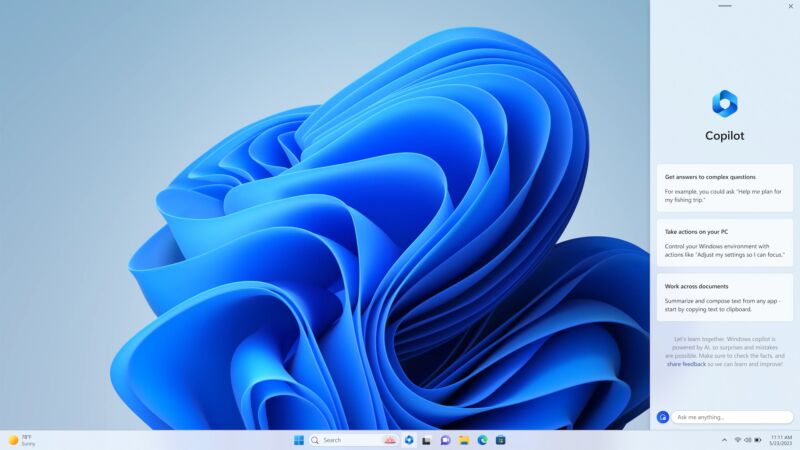
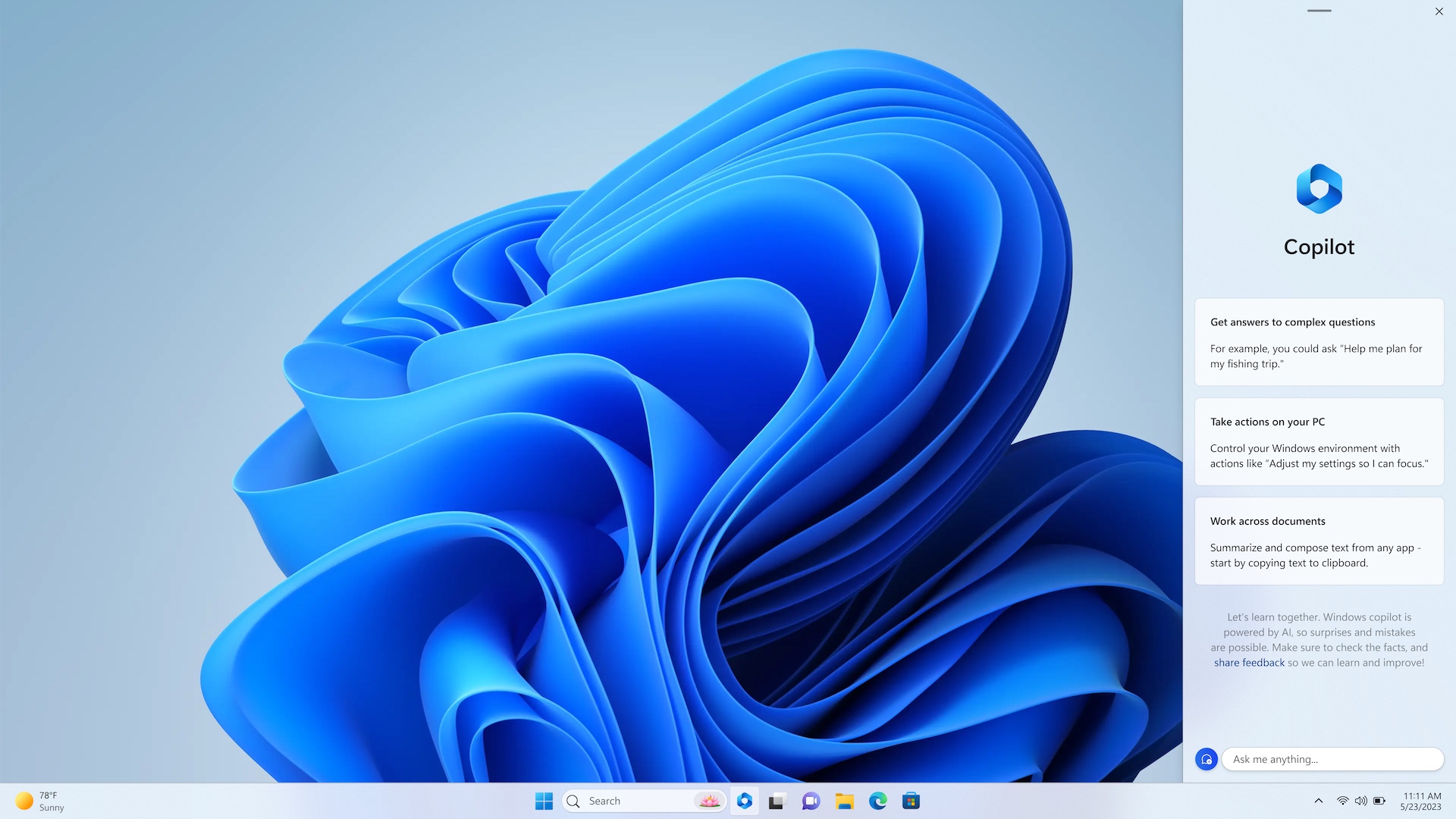
Windows Copilot is an AI-assisted feature coming to Windows 11 preview builds starting in June.

Enlarge / Windows Copilot is an AI-assisted feature coming to Windows 11 preview builds starting in June. (credit: Microsoft)

A couple of months ago, Microsoft added generative AI features to Windows 11 in the form of a taskbar-mounted version of the Bing chatbot. Starting this summer, the company will be going even further, adding a new ChatGPT-driven Copilot feature that can be used alongside your other Windows apps. The company announced the change at its Build developer conference alongside another new batch of Windows 11 updates due later this year. Windows Copilot will be available to Windows Insiders starting in June.

Like the Microsoft 365 Copilot, Windows Copilot is a separate window that opens up along the right side of your screen and assists with various tasks based on what you ask it to do. A Microsoft demo video shows Copilot changing Windows settings, rearranging windows with Snap Layouts, summarizing and rewriting documents that were dragged into it, and opening apps like Spotify, Adobe Express, and Teams. Copilot is launched with a dedicated button on the taskbar.

"Once open, the Windows Copilot side bar stays consistent across your apps, programs and windows, always available to act as your personal assistant. It makes every user a power user, helping you take action, customize your settings, and seamlessly connect across your favorite apps," wrote Microsoft Chief Product Officer Panos Panay.

Read 7 remaining paragraphs | Comments


from Tech – Ars Technica https://ift.tt/8ArsN6o

Monday, May 22, 2023

HP breaks its own printers (again) with firmware update

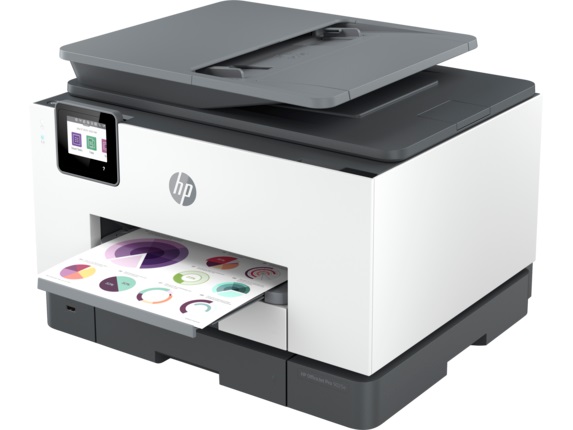
HP OfficeJet Pro 9025e printer

HP's OfficeJet Pro 9025e printer is affected. (credit: HP)

A firmware update has rendered several models of HP OfficeJet printers useless for weeks. As reported by Bleeping Computer on Saturday, a recent firmware update inadvertently left many users with devices that won't print and will only display a dreaded blue screen.

HP's support forums are currently littered with users complaining that their printer is no longer functioning and that its screen has turned blue with the error code "83C0000B " displayed. The issue goes back as early as May 8. According to Bleeping Computer, the issue is impacting owners of OfficeJet 902x printers.

At least one HP rep on the forum had previously suggested that the error came from "a problem with the printer's head." However, Bleeping Computer has reported that the issue is due to a firmware update released in May.

Read 14 remaining paragraphs | Comments


from Tech – Ars Technica https://ift.tt/x76bSKo

Motorola’s fourth swing at a foldable Razr launches June 1

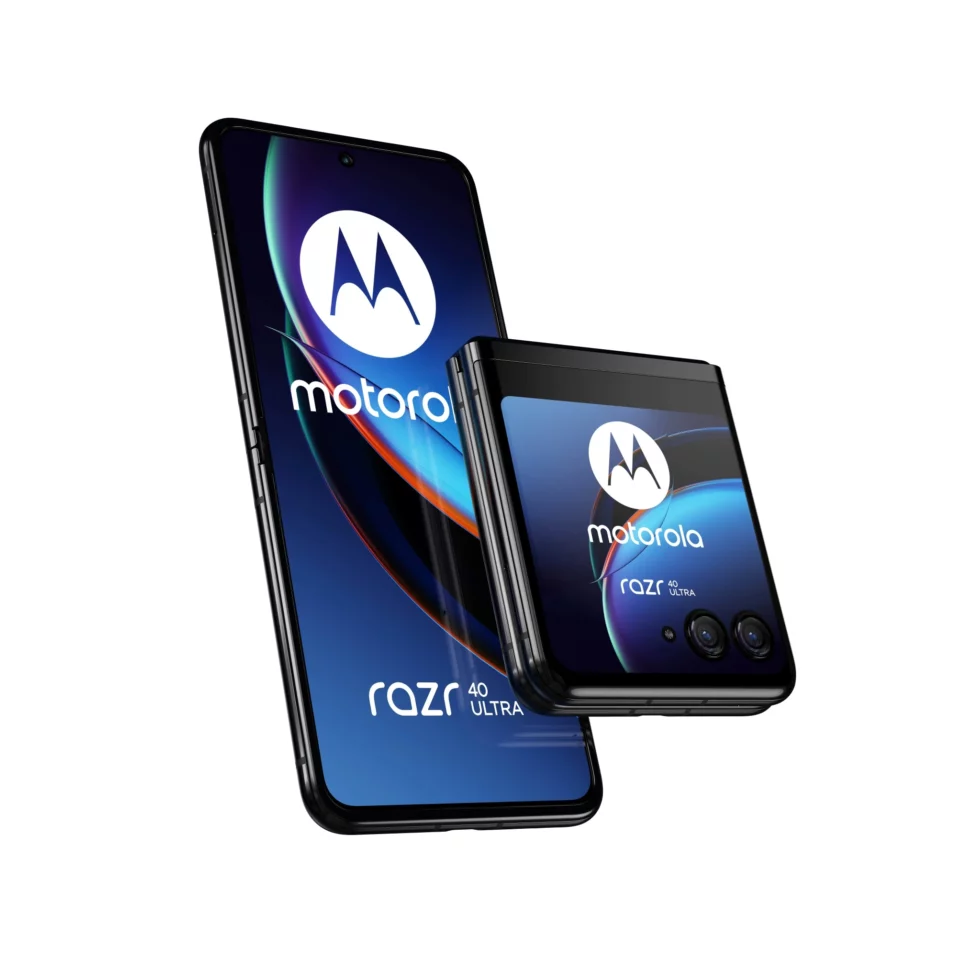
Motorola is still not giving up on the whole idea of a flexible-display Razr phone, and the company actually has a fourth generation of the device coming up. The launch date is already official, set for June 1. The new Razr line comprises all new-school flip phones that are about the size of a normal smartphone when open, but when you're done with them, the whole device, including the screen, can fold in half, giving you a smaller square to fit into your pocket.

There are two models of the upcoming device, called either the "Razr 40 Ultra" or "Razr+, and a cheaper model that might end up being called the Razr 40. Legendary leaker Evan Blass has been all over the release of this phone, sharing press images and other details, while MySmartPrice has leaks of the cheaper model. We don't necessarily know every tiny difference between the two models, but the big difference will be the cover display.

These foldable devices are closed a lot of the time, so an outer display is very useful for the 100-plus times a day you check your phone—it's nice to just quickly look at it without needing to open up the phone. The Ultra model is going for about as big of a front display as possible, including wrapping around the two primary cameras that live in the bottom-right corner of the front of the phone. Working around all that dead space is going to make for some interesting software design decisions. The cheaper model, meanwhile, has a much smaller display, similar to the first-generation Galaxy Flip. It's a tiny little thing to the left of the camera array and can only show smartwatch-style widgets.

Read 4 remaining paragraphs | Comments


from Tech – Ars Technica https://ift.tt/PUmWRbB

Friday, May 19, 2023

Weird AliExpress laptop with Intel 8088 CPU will take you back to the MS-DOS era

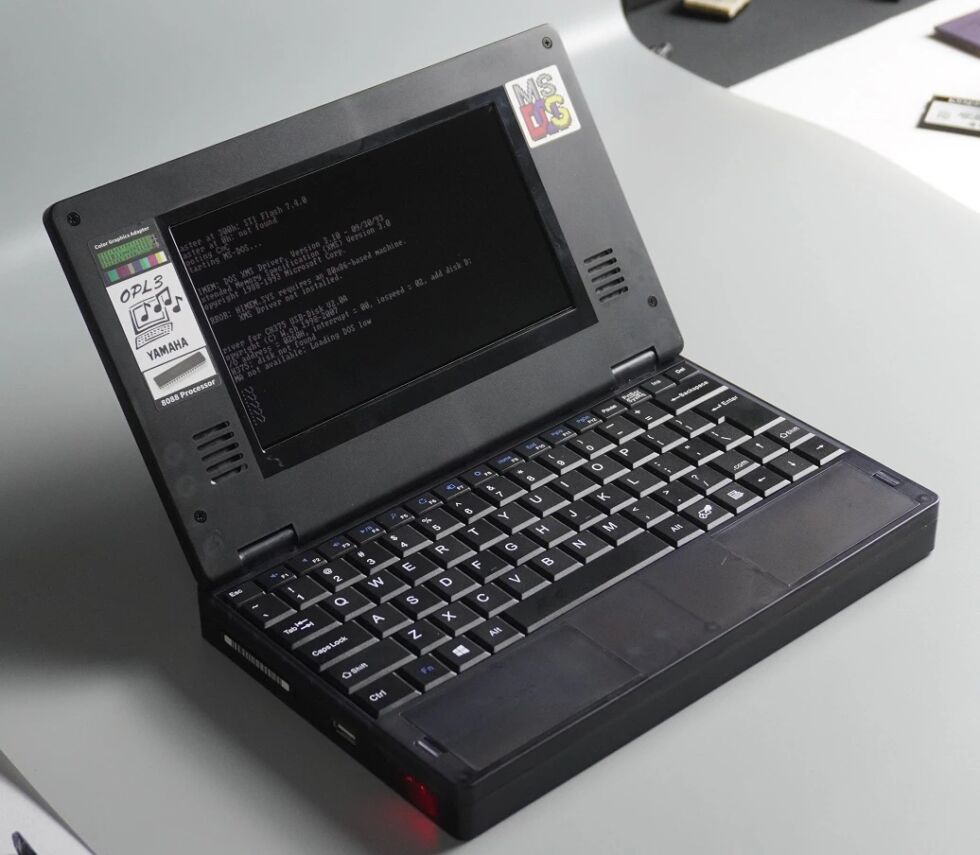
All modern Intel and AMD PCs can trace their roots to a single system: the IBM Personal Computer. Originally released in August 1981, this computer became so popular and long-lived that competitors reverse-engineered its BIOS so that their computers could use the same software and peripherals, a practice that eventually resulted in a de facto standard whose descendants we still use today.

If you want to experience what using an old IBM PC was like, you could drop a few hundred dollars on a used one on eBay. Or you could roll the dice on this new oddball laptop on AliExpress. The "Book 8088" laptop PC combines modern components with an Intel 8088 processor and 640KB (yes, that's kilobytes) of memory, plus more modern amenities, a 640×200 16-color LCD screen, and built-in interfaces that allow USB accessories and CompactFlash cards to interface with the ancient components (a 512MB CompactFlash card serves as the system's hard drive).

Intel's 8088 was a cut-down version of the original 8086 with an 8-bit data bus; in the Book 8088 and the IBM PC, it runs at a clock speed of 4.77 MHz. That slow speed and low memory limit means it's best suited to MS-DOS, with its text-based interface and general lack of multitasking support. You can run very early Windows versions on it, up to version 3.0 but, according to retro-tech YouTube, it seems like a bad time.

Read 5 remaining paragraphs | Comments


from Tech – Ars Technica https://ift.tt/2Bhuncv

Samsung backs down from its threat to switch its Android phones to Bing

The regional headquarters of Samsung in Mountain View, California.

Enlarge / The regional headquarters of Samsung in Mountain View, California. (credit: Getty Images/Smith Collection)

Like most people that try to switch to Bing, Samsung is giving up on the idea after a few weeks. An earlier report from The New York Times said Samsung was considering dumping Google Search on its Android phones in favor of the ChatGPT-powered Bing search engine. A month later, a new report from The Wall Street Journal says that while Samsung "isn’t permanently closing the door on Bing as a future option," it "won’t be swapping out the default search engine on its smartphones from Google to Microsoft’s Bing any time soon."

The report on Samsung's possible switch to Bing came during negotiations between Samsung and Google to re-up their search engine contract, and the idea could have just been a negotiating tactic. These deals usually aren't public, but Google pays big cash piles to Apple and Samsung to make Google Search the default option on their devices. Microsoft's Bing was the butt of jokes for years, but its sudden integration of the red-hot ChatGPT generative AI has suddenly made it interesting. The earlier NYT report detailed Google's "shock" and "panic" when Samsung floated the idea of switching to Bing. There's a good chance that Samsung landed better contract terms.

Whatever happened behind the scenes, the WSJ report says, "Samsung has decided it won’t further internally discuss the matter at this time given concerns over how the switch could be perceived by the market as well as the impact on its wide-ranging business relations with Google." Samsung does have a lot of contact issues to balance with Google. Samsung needs the Play Store and various Google Android apps to make a competitive phone, and that requires signing a contract for Google Play and being buddies with Google. Again, these contracts are secret, but in some regions, following Google's default app preferences means Google will pay companies to use Android. Going against the rules means they will be charged for Android.

Read 1 remaining paragraphs | Comments


from Tech – Ars Technica https://ift.tt/xs7bedP

Thursday, May 18, 2023

iOS 16.5 and macOS 13.4 bring sports news, Bluetooth fixes, and security updates

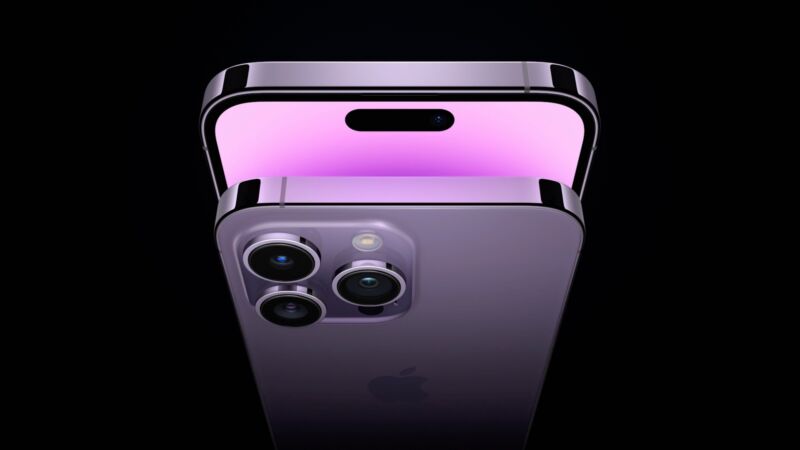
The iPhone 14 Pro.

Enlarge / The iPhone 14 Pro. (credit: Apple)

Apple has released a new batch of software updates for all of its platforms today, adding some of the last noteworthy features to iOS 16, iPadOS 16, and macOS Ventura before it announces their replacements at its Worldwide Developers Conference next month. The iOS and iPadOS 16.5 updates and macOS 13.4 update are available to download now.

Apple is mostly done adding marquee features to these versions of its software, and the list of improvements is short. The biggest addition in iOS, macOS, and iPadOS is a sports tab in the Apple News app, which apparently makes it easier to follow sports news. And they resolve an issue across all operating systems that would keep Screen Time activity from being synced properly. And iOS and iPadOS pick up new Pride-themed wallpapers.

The iOS and iPadOS 16.5 and macOS 13.4 updates also fix some outstanding bugs. In macOS, there’s a fix for a problem that would keep Macs from using an Apple Watch to unlock, plus a fix for Bluetooth keyboards taking too long to connect after a restart. The iOS update fixes a Spotlight freezing bug and problems with the Podcasts app in CarPlay.

Read 3 remaining paragraphs | Comments


from Tech – Ars Technica https://ift.tt/3urBbAD

YouTube TV shows repeating Little Mermaid ad instead of end of NBA playoff game 

Disney's live-action little mermaid on a rock

Enlarge / Disney CEO Bob Iger recently lamented limited marketing for big projects like The Little Mermaid. Well, there are a bunch of NBA fans who definitely know the movie exists now.  (credit: Disney)

It was a long day at work, but it was finally Wednesday night, and Game 1 of the NBA Eastern Conference Finals was here. A YouTube TV subscription lets you stream the game from TNT, and now with a little over four minutes left before the final buzzer, things were intense, with the Miami Heat up by only five. You lean in to get a better look at the action, and then you see... a commercial for the live-action Little Mermaid movie? Again, and again, and again?

That's what happened to people who relied on YouTube TV to watch last night's game. The worst part is, the game never came back online. Sports Illustrated reported that "many fans saw the same ad starting and stopping for what felt like an endless amount of time."

YouTube's support Twitter page tweeted about the issue as it was happening, telling users that "if you have an issue watching the Miami Heat vs. Boston Celtics game on TNT, we’re aware of it & our team is working on a fix - thx so much for your patience!"

Read 8 remaining paragraphs | Comments


from Tech – Ars Technica https://ift.tt/LOiqyhP

Wednesday, May 17, 2023

Google’s new “inactive account” policy won’t delete years of YouTube videos

Google’s new “inactive account” policy won’t delete years of YouTube videos

Enlarge (credit: Future Publishing | Getty Images)

Google's new inactive account policy already has people up in arms. The company announced on Tuesday that accounts that have gone unused for two years will be deleted, and a lot of people are asking what exactly this means for YouTube content. There are probably millions of videos out there from dead and inactive YouTube creators—would Google's new data policy mean deleting nearly two decades of online history?

Google's blog post yesterday certainly gave that impression, "If a Google Account has not been used or signed into for at least 2 years, we may delete the account and its contents—including content within Google Workspace (Gmail, Docs, Drive, Meet, Calendar), YouTube and Google Photos." That policy would mean wiping out things like the first YouTube video, official YouTube accounts of former US presidents, and tons of content from retired YouTubers and music artists. That would be awful.

A day later, Google now says there will be no digital burning of Alexandria. YouTube's creator liaison, Rene Ritchie, clarified on Twitter that Google has "no plans to delete accounts with YT videos." 9to5Google heard the same statement from a Google spokesperson. That is great news, but that's also very vague and runs contrary to what all of Google's current documentation says, including the blog post. Can people keep a Google account alive forever with a single video? We've had an email out to Google since Tuesday night asking for some kind of formal policy regarding YouTube videos, but we haven't heard anything yet. It seems like the company is still figuring this out.

Read 2 remaining paragraphs | Comments


from Tech – Ars Technica https://ift.tt/bOuLqTz

Logitech taps iFixit to sell mouse parts for DIY repairs

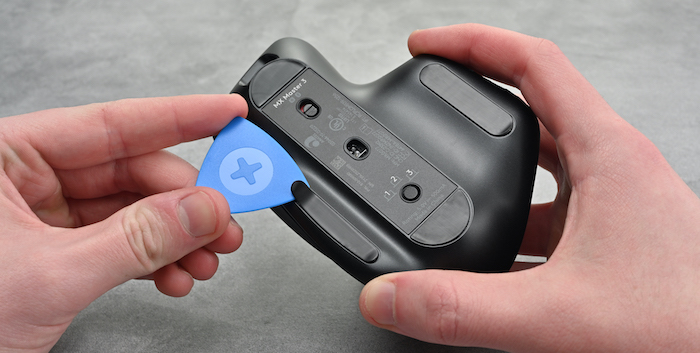
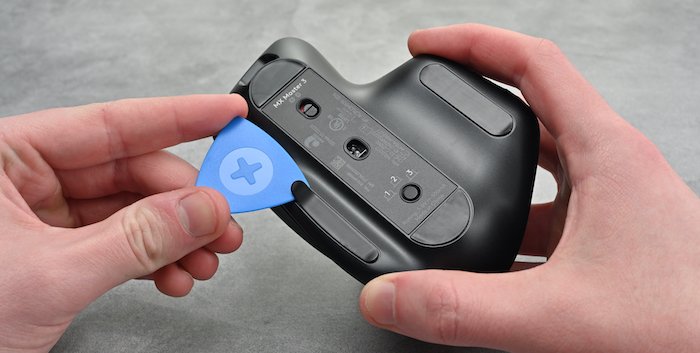
Logitech MX Master 3's feet being pried off

Enlarge (credit: iFixit)

Logitech has joined the likes of Google and Samsung in tagging iFixit to help build a self-repair program. iFixit will sell spare parts for Logitech's MX Master and MX Anywhere series of mice and provide relevant repair guides in the US this summer.

The iFixit Logitech Repair Hub will stock parts for what iFixit said in its announcement today are the most common repair needs, namely for replacing the mice's feet and rechargeable battery and opening the device.

"Once in store, the replacement parts for feet and batteries will be available for purchase individually or in our complete-solution Fix Kits," iFixit said, noting that the kits include tools like opening picks and a screwdriver handle and bits.

Read 10 remaining paragraphs | Comments


from Tech – Ars Technica https://ift.tt/Kp2qvUh

Tuesday, May 16, 2023

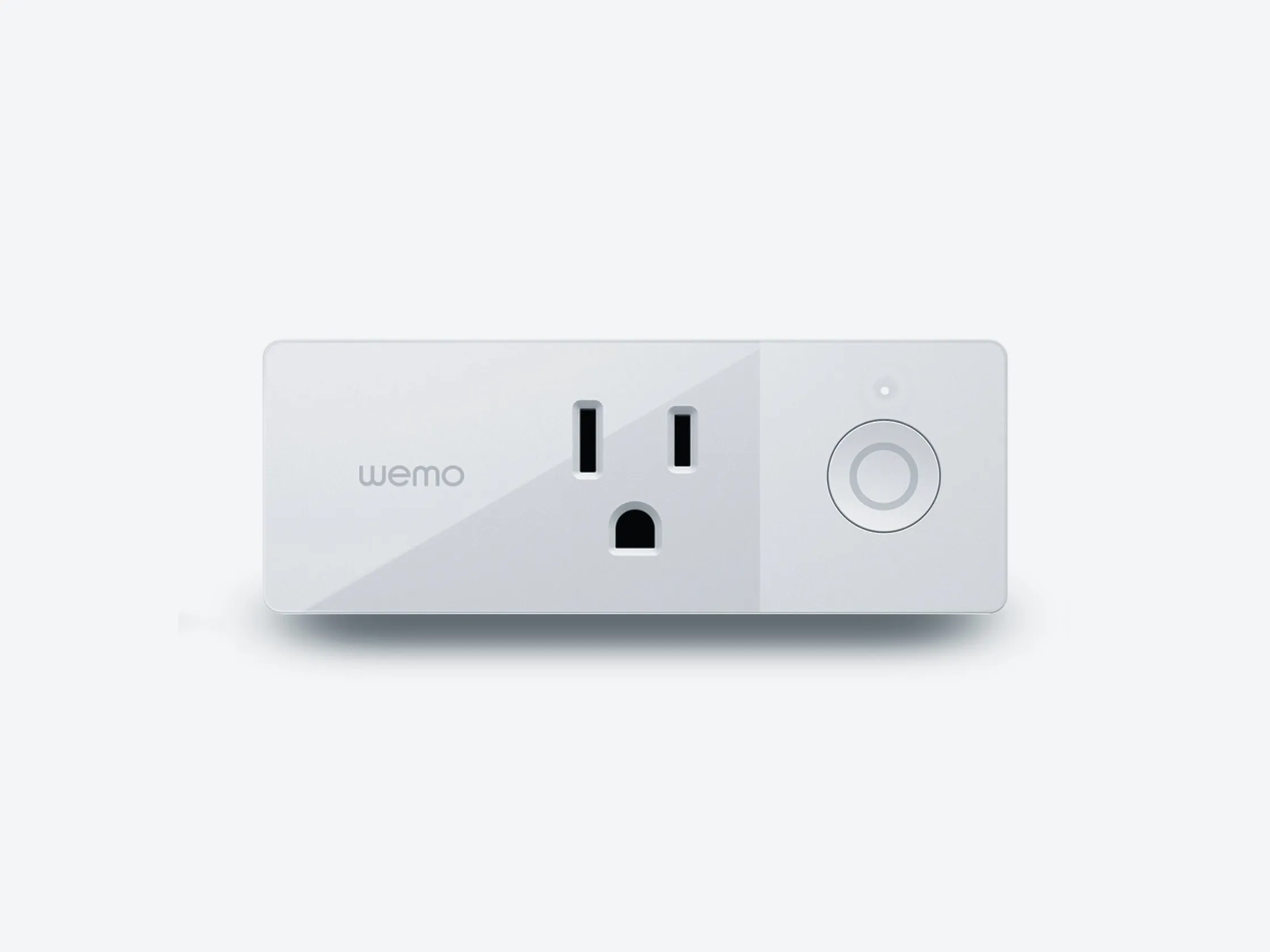
Wemo won’t fix Smart Plug vulnerability allowing remote operation

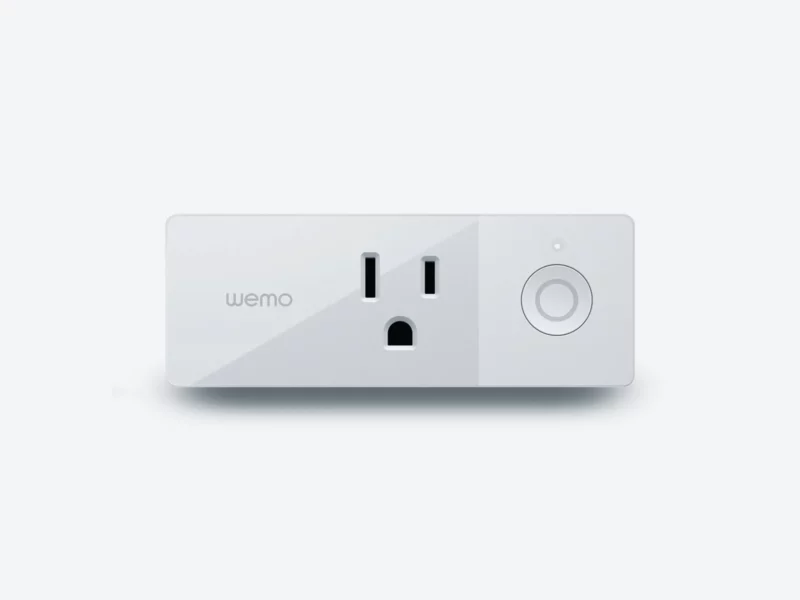
Wemo Smart Plug V2

Enlarge / This guy? This guy can be tricked into offering remote control if you give it a long name. But he's too old for his maker to care much about that.

I once co-owned a coworking space. The space had doors with magnetic locks, unlocked by a powered relay. My partners and I realized that, if we could switch power to the system on and off, we could remotely control the door lock. One of us had a first-generation Wemo plug, so we hooked that up, and then the programmer among us set up a script that, passing Python commands over the local network, switched the door lock open and closed.

Sometimes it would occur to me that it was kind of weird that, without authentication, you could just shout Python commands at a Wemo and it would toggle. I'm having the same feeling today about a device that's one generation newer and yet also possesses fatal flaws.

IoT security research firm Sternum has discovered (and disclosed) a buffer overflow vulnerability in the Wemo Mini Smart Plug V2. The firm's blog post is full of interesting details about how this device works (and doesn't), but a key takeaway is that you can predictably trigger a buffer overflow by passing the device a name longer than its 30-character limit—a limit enforced solely by Wemo's own apps—with third-party tools. Inside that overflow you could inject operable code. If your Wemo is connected to the wider Internet, it could be compromised remotely.

Read 7 remaining paragraphs | Comments


from Tech – Ars Technica https://ift.tt/ZD8Xfwi

Google will start deleting inactive accounts after two years

A large Google logo is displayed amidst foliage.

Enlarge (credit: Sean Gallup | Getty Images)

You may have thought a Google account was forever, but the company's latest blog post details a new policy of deleting inactive Google accounts. The new deadline is two years—if your account hasn't seen "activity" in that amount of time, Google is going to delete your data forever.

The company pitches this as a way to prevent spam. The blog post says that "abandoned accounts are at least 10x less likely than active accounts to have 2-step-verification set up," and once they get compromised, they become vectors for spam and identity theft. Deleting old accounts and freeing up storage is also probably a good way to cut costs, which has been a thing at Google lately.

Google's inactive account policy only applies to individual accounts. If you're a business account and paying a monthly fee, it's no shock that you can stay inactive for as long as the money arrives. Google says: "The simplest way to keep a Google Account active is to sign-in at least once every 2 years." That's all it takes to be active. Google also lists a few examples of "activity" if you're already signed in:

Read 2 remaining paragraphs | Comments


from Tech – Ars Technica https://ift.tt/lvW3k7i

Monday, May 15, 2023

Double-screen ‘free’ TV will show you ads, even when not in use

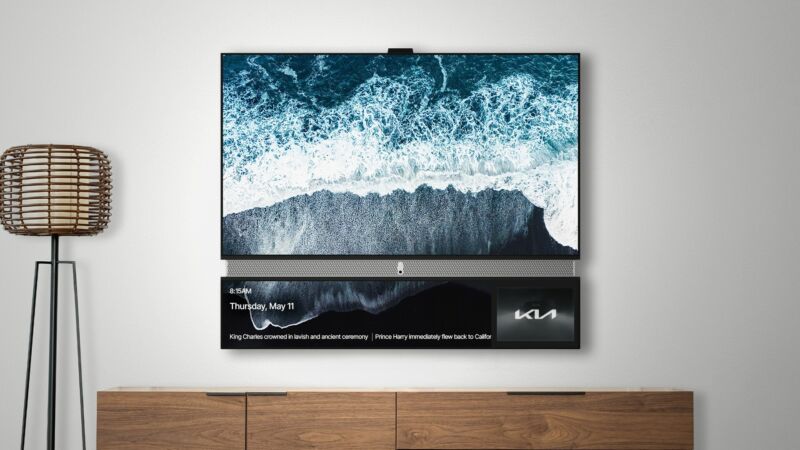
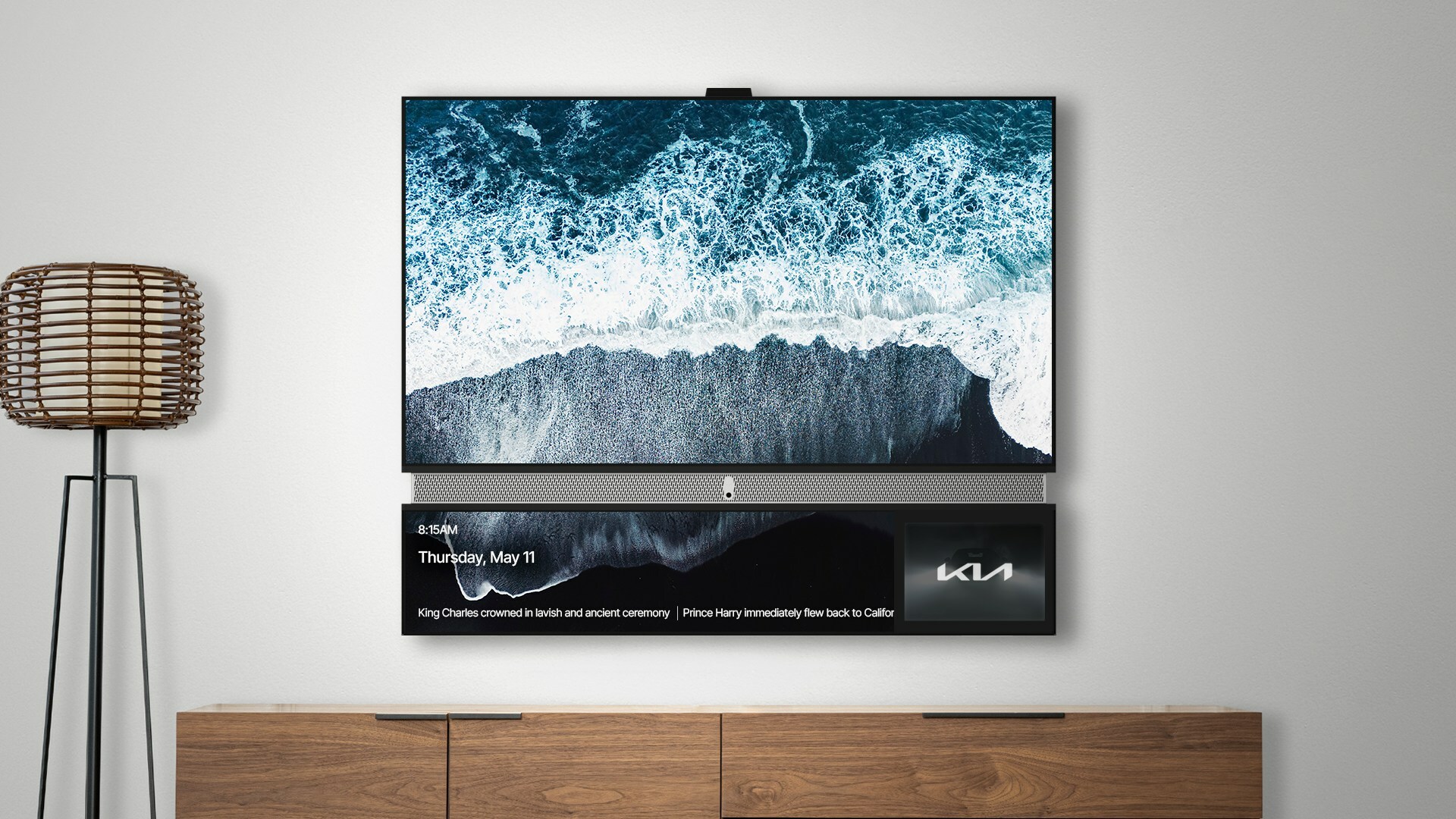
Telly TV with ads on second screen

Enlarge / The free Telly 4K TV has a second screen for showing ads. (credit: Telly)

What would you be willing to do for a free TV? If the answer is hand over information about what you watch, search for, and listen to on that TV and for how long, how much money your household makes, what food and brands you like, and your race and be subject to on-screen ads at any time, then Telly's got the deal for you.

The Telly TV announced today (and rumored to be en route since earlier this month) is a 55-inch 4K HDR TV with a five-driver soundbar connecting a second screen called the Smart Screen. The smaller Smart Screen is dedicated to showing ads and can also show relevant content, like news feeds from selected publications, weather, or scores from favorite sports teams. The TV has three HDMI and two USB ports (versions not specified) and a TV tuner and comes with a 4K Android TV streaming stick (you can use your own streaming device or service, but Telly doesn't come with support for third-party streaming apps, such as Hulu, The Verge reports).

Specs-wise, that's nearly all we know about Telly so far because the main thing the company, founded by free TV-streaming service Pluto co-founder Ilya Pozin in May 2021, wants you to focus on is shoppers' favorite four-letter word: free.

Read 20 remaining paragraphs | Comments


from Tech – Ars Technica https://ift.tt/6u0WfZl

As AI-generated fakes proliferate, Google plans to fight back

Photorealistic AI-generated images like this one may distort our sense of history. Google wants to fix that.

Enlarge / Photorealistic AI-generated images like this one may distort our sense of history. Google wants to fix that. (credit: Midjourney)

On Wednesday at Google I/O 2023, Google announced three new features designed to help people spot AI-generated fake images in search results, reports Bloomberg. The features will identify the known origins of an image, add metadata to Google-generated AI images, and label other AI-generated images in search results.

Thanks to AI image synthesis models like Midjourney and Stable Diffusion, it has become trivial to create massive quantities of photorealistic fakes, and that may affect not only misinformation and political propaganda, but also our conception of the historical record as large amounts of fake media artifacts enter circulation.

In an attempt to counteract some of these trends, the search giant will introduce new features to its image search product "in coming months," according to Google:

Read 7 remaining paragraphs | Comments


from Tech – Ars Technica https://ift.tt/XtgRJUe

Friday, May 12, 2023

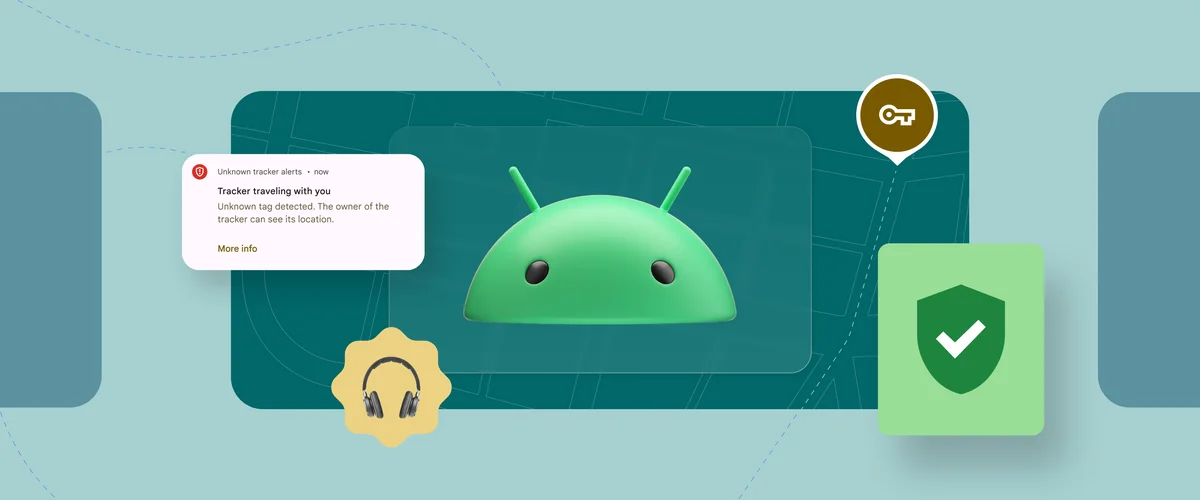
Bluetooth tags for Android’s 3 billion-strong tracking network are here

Track all your stuff, with Android, in a totally not creepy way.

Enlarge / Track all your stuff, with Android, in a totally not creepy way. (credit: Google)

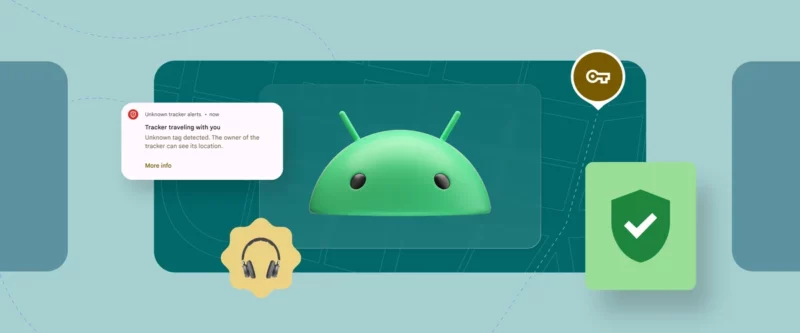
After the release of Apple's AirTags, Google suddenly has interest in the Bluetooth tracker market. The company has already quietly rolled out what must be the world's largest Bluetooth tracking network via Android's 3 billion active devices, and now trackers are starting to plug in to that network. Google is taking the ecosystem approach and letting various companies plug in to the Android Bluetooth tracking network, which has the very derivative name of "Find My Device."

While these Bluetooth trackers are great for finding your lost car keys on a messy desk, they can also work as worldwide GPS trackers and locate items much farther away, even though they don't have GPS. The IDs of Bluetooth devices are public, so Tile started this whole idea of crowdsourced Bluetooth tracker location, called the "Tile Network." Every phone with the Tile app installed scans Bluetooth devices in the background and, using the phone GPS, uploads their last seen location to the cloud. This location data is only available to the person who owns the Tile, but every Tile user works to scan the environment and upload any Tiles the app can see.

Tile is a decently popular product, but it's nothing like the scale of our favorite smartphone duopoly, Apple and Google. Apple upended the market when it released AirTags and rolled out a bluetooth tracking network to most of the 1.8 billion Apple devices that are out there. While Tile could reliably work in busy places like airports, you'll probably never be more than a few hundred feet from an iPhone at any given time, making for a much more viable worldwide tracking network.

Read 5 remaining paragraphs | Comments


from Tech – Ars Technica https://ift.tt/t6x5YOL

Reddit welcomes NSFW desktop image uploads ahead of Imgur’s ban 

A general view of the Reddit homepage

Enlarge (credit: Tim Goode/PA Images via Getty Images)

If you've been worried about how you're going to upload explicit images from your desktop to Reddit after Imgur's ban and purge takes place on May 15, you can now rest easy. On Thursday, Reddit started allowing not safe for work (NSFW) images to be uploaded from desktops to communities limited to users ages 18 and up, as spotted by TechCrunch.

"This now gives us feature parity with our mobile apps, which (as you know) already has this functionality," Reddit's announcement on the r/modnews subreddit says.

As of May 15, image-hosting site Imgur will no longer allow nudity, pornography, or sexually explicit content and remove any images that fall under that umbrella.

Read 5 remaining paragraphs | Comments


from Tech – Ars Technica https://ift.tt/jQd81nL

Google Bard hits over 180 countries and territories—none are in the EU

The Google Bard logo at Google I/O

Enlarge (credit: Google)

On Wednesday, Google detailed the evolution of its Bard conversational AI assistant, including PaLM 2 and expanded availability. The list of 180 supported countries and territories excludes Canada and all of the European Union's (EU) 27 member states. As the world grapples with how to juggle the explosive growth of generative AI chatbots alongside user privacy, there's suspicion that the EU's General Data Protection Regulation (GDPR) is at the center of the omission.

Google's I/O event this week included flashy announcements around AI developments and expanding Bard access with added Japanese and Korean language support. However, some people quickly noticed that EU countries and The Great White North were not part of the news. This could change, as Google's support page says the company will "gradually expand to more countries and territories in a way that is consistent with local regulations and our AI principles."

In the meantime, Google hasn't explained why it's not yet bringing Bard to the EU, Canada, or any other excluded geography. However, the EU features more stringent data protection and user privacy policies than Google's homeland. And the EU's AI regulatory landscape is on the brink of transformation.

Read 15 remaining paragraphs | Comments


from Tech – Ars Technica https://ift.tt/58Ue4ar

Thursday, May 11, 2023

Google Fi takes the sting off the Pixel Fold price tag with $700 off

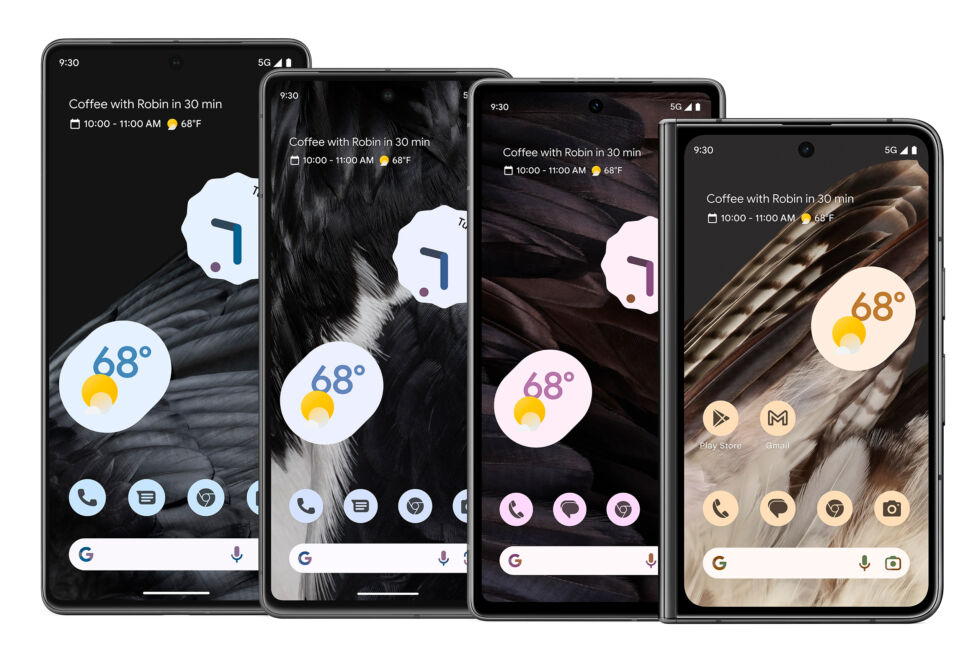
So far, the Pixel Fold looks like an impressive first foldable from Google but, wow, is it expensive. It would be nice to knock at least a few dollars off that sky-high $1,799 price tag. You can actually do that at Google Fi where, with a two-year service commitment, you can get $700 off a Pixel Fold. That could go up to $1,000 off if you trade in an eligible phone.

There aren't too many catches to this deal. Google says you have to activate your new Pixel Fold on Fi within 30 days, keep your account active for 24 months, and it's open to new and existing Fi customers in the US. You'll still have to pay the $1,799 upfront or take the $75 a month (plus service) payment plan, and you'll eventually get that $700 back as 24 monthly service credits of $29.17. The offer expires "July 4, 2023, at 11:59 PM PDT or while supplies last."

If you weren't plugged in yesterday, the Fold was officially announced as a real-life product after about three years of rumors. Google is not necessarily known for cutting-edge hardware, but the Fold looks great. In the US market, it can claim the titles of "thinnest foldable" and "biggest foldable battery" which is a neat trick. Google's push into foldables also hopefully contains some Android and Google app software work, but we'll have to investigate that when the phone finally launches on June 27.

Read 1 remaining paragraphs | Comments


from Tech – Ars Technica https://ift.tt/A8E5HXN

Sony’s $1,400 phone has a “functional tactile design,” hits the US in July

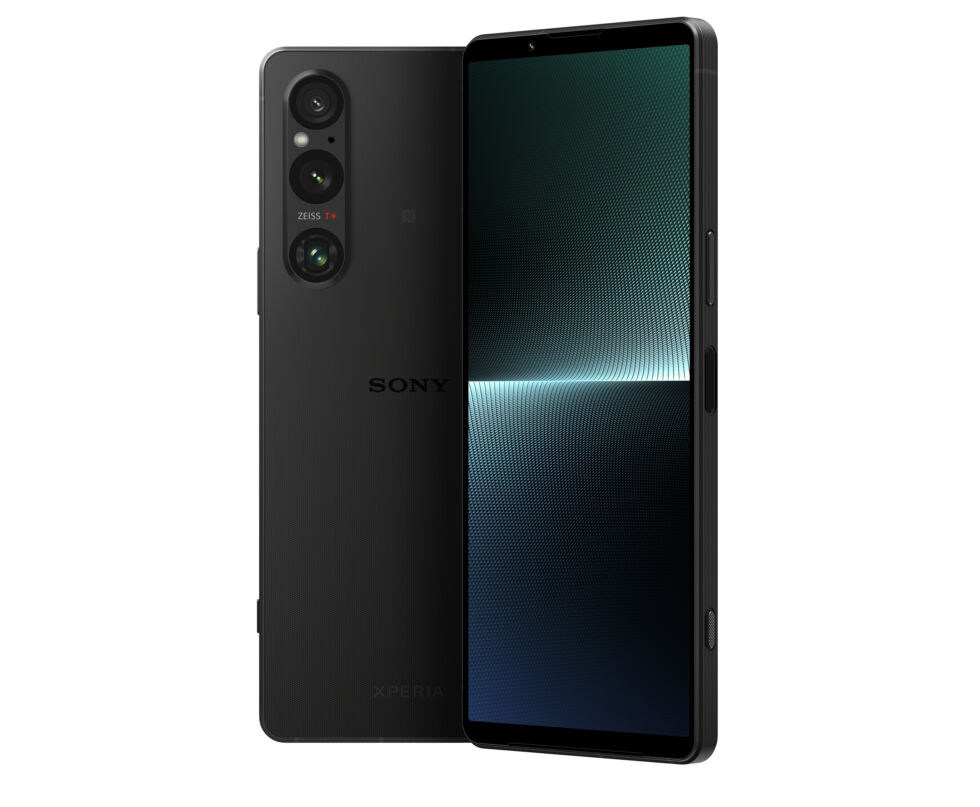
Sony is still pumping out smartphones, and the latest flagship is the Sony Xperia 1 V. Believe it or not, this has a US price, and you can order it online!

You can never call Sony generic. This is the only company in the world that ships a "4K" (3840×1644) smartphone, giving the 6.5-inch, 120 Hz OLED a ridiculous 643 PPI. We've seen some of these in person—Sony's densest smartphone displays hit 801 PPI once upon a time—and these ultra-dense displays always seemed far past what anyone can see at a reasonable distance. The other uniquely Sony design traits are symmetrical top and bottom bezels and a camera shutter button. There's also a side power button fingerprint reader. I'm starting to think Sony's fancy 4K displays don't support any of the normal under-screen components like a hole punch camera or in-screen fingerprint reader, and that's how this entire design happened.

There are a bunch of lovely textures happening all over this phone. The back is still glass, but it has a small diamond dimple effect sort of like a diamond plate, and that's in the glass, not under it. Apparently, you can feel it, as Sony calls it a "functional tactile design." The band that wraps around the phone's perimeter is ribbed, and there is diamond knurling on the camera shutter button. There's also a slick-looking matte finish to the glass.

Read 3 remaining paragraphs | Comments


from Tech – Ars Technica https://ift.tt/gQad5Dv

Wednesday, May 10, 2023

Pixel 7a review: More of Google’s winning formula

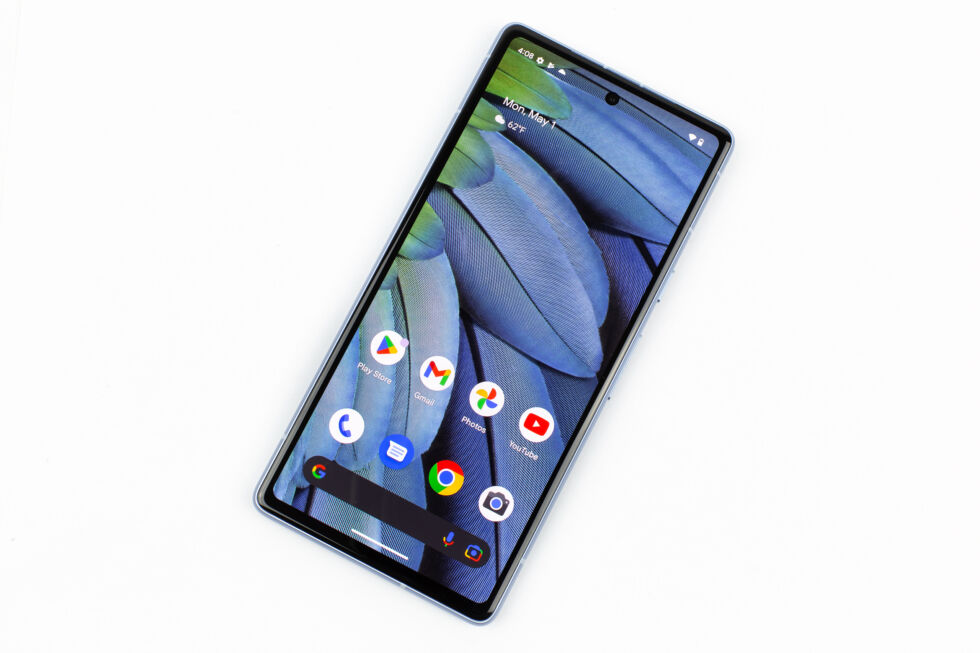
You know the drill by now—the Pixel a-series is the best phone line Google makes. A combination of good design, a great camera, the right specs, and a low price makes it our usual recommendation for prospective Android phone buyers on a budget. The Pixel 7a presents more of that winning formula, and a few key upgrades this year make it so good that the more expensive Pixel phone directly above it—the $600 Pixel 7—is now basically obsolete.

Since the phone has been fully unveiled today, let's go over the specs. First up, the price—it's $500, which is $50 more expensive than last year. That extra fifty bucks gets you some big upgrades over last year, though, like a 6.1-inch, 90 Hz, 2400×1080 OLED (the 6a has a 60 Hz display); 8GB of RAM (formerly 6GB); 7.5 W wireless charging (formerly no wireless charging); and a 64 MP main camera that's new to the Pixel line.

Other expected specs are here, too, like a Google Tensor G2 SoC—that's the same chip the more expensive models have—plus 128GB of storage, IP67 dust and water resistance, 18 W wired charging, and Wi-Fi 6e. There's a marginally smaller battery, which is officially 4385 mAh (it was formerly 4500 mAh).

Read 23 remaining paragraphs | Comments


from Tech – Ars Technica https://ift.tt/fylUI06